
Why We Create, and Who We Create For
As machines generate words and images, it’s worth asking what human creation was for.
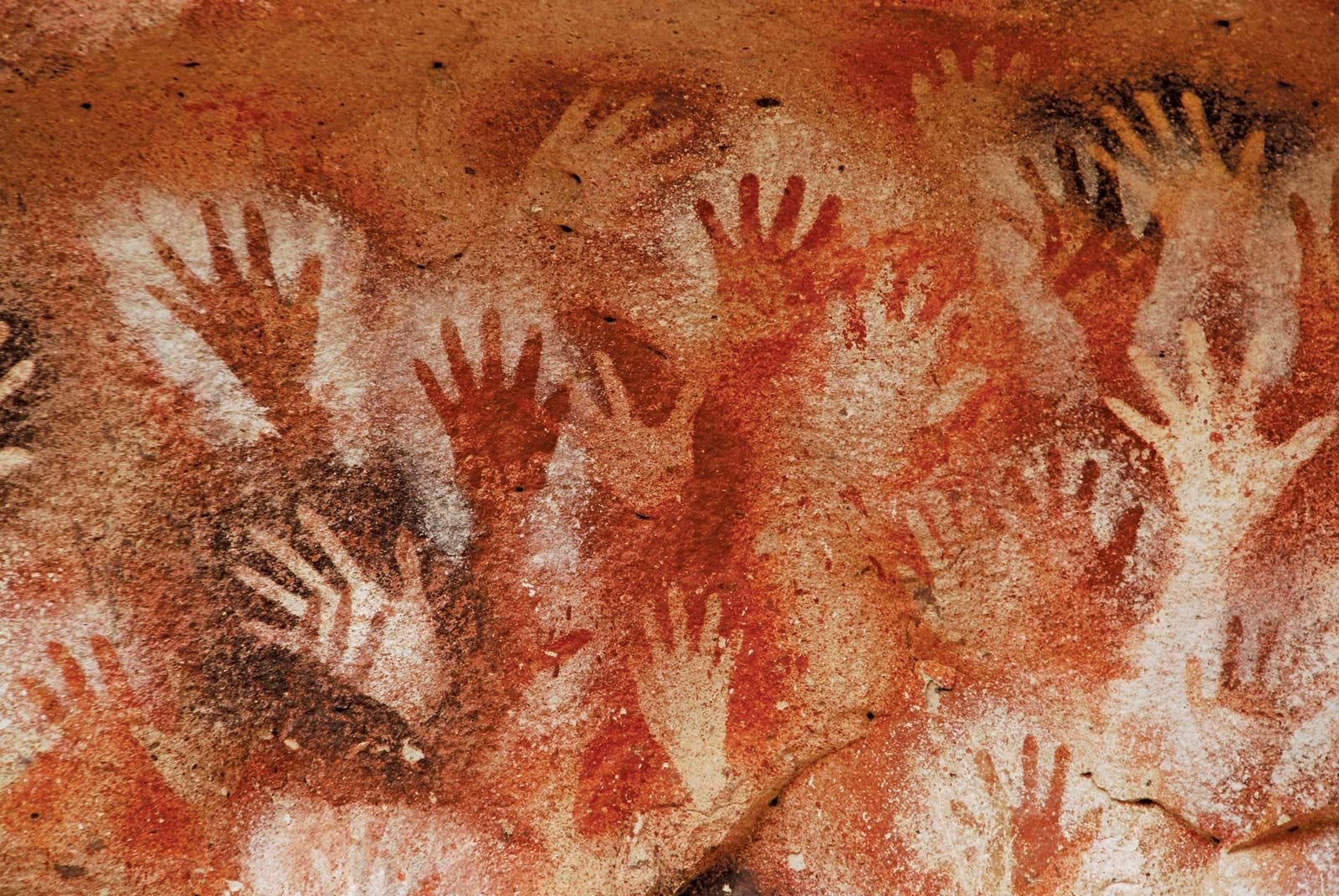
Before we built cities, we painted on cave walls. Before we kept written records, we sang songs. Before we planted crops, we carved figurines. Before we had laws, we had stories. Creative expression, far from being a luxury that must justify itself against the “serious” problems of each age, may have been what enabled us to survive them.
The most immediate motivation for creation feels instinctual. When we watch a child drawing, they seem to be working something out, taking the wobbling confusion of internal experience and giving it external form. There is a sense in which the mind needs to metabolize what it takes in, to transform experience by rendering it in another medium. We make the internal external, not always to communicate it but simply to see it, to give shape to what would otherwise remain formless and ungraspable.
But we also feel a need to find out whether anyone else sees what we see. We create, in part, because we experience ourselves as separate, each of us trapped in the solitude of our own bodies. An act of creation becomes a kind of experiment: if I make this thing that captures my experience, will you recognize it? Will it resonate? The hope, always, is to discover that we are not alone in perceiving the world this way. Art is an attempt to reach across the distance between one consciousness and another.
This bridging of distance is how we learned to understand and trust one another even when unrelated, to coordinate in groups far larger than our primate relatives could manage. We became able to trust not only those who looked like us or spoke our language but also those whose imaginations had the same colors as ours, people whose inner life we could recognize because someone had once made it tangible in a song or a story.
But the capacity to imagine another's experience is also the capacity to imagine our own absence. We realize that none of this had to be. That we might have been different people, that we might not have been at all. To create is to say, “I was here, I felt this.” It is to build meaning in the face of meaninglessness, to construct something that stands against the tide of forgetting. Creation becomes a way of negotiating with impermanence, of processing the dissonance between what is and what might have been.
The cave painters were expressing themselves, yes, but they were also transmitting the memory of their world, a world we can imagine and enter, thousands of years later. The novelist is working out private struggles but also hoping that someone will read the book and understand it. The reader, in turn, discovers that what she has experienced was experienced by someone else too, sometimes centuries ago, in a distant country. Even when we insist that we are creating purely for ourselves, we are often creating for an imagined other. Even when we believe we are creating for others, we are often trying to make sense of our own existence. Who we create for cannot be separated from why we create. Both are attempts to bridge the gap between the isolated self and the shared world, between this moment and all the moments that have ever existed and will exist.
Continue Reading:
→ Dawkins, Claude, and the First Question About Consciousness
→ Bryan Caplan on Ethical Intuitionism (podcast)
Other Projects:
→ Universal Open Textbook Initiative (free, multilingual textbooks)